-
Boating Education Prevents Accidents and Saves Lives
Whether or not their state requires it, all boaters have a responsibility to learn about boat operation, communications, navigation, and life-saving techniques before taking to the water. Statistics bear out what logic suggests—those without boater education put themselves and others at risk.
-American Boating Association
Boat Course
Approved by the State Police, recognized by the United States Coast Guard, and approved by the National Association of Boating Law Administrators.
-
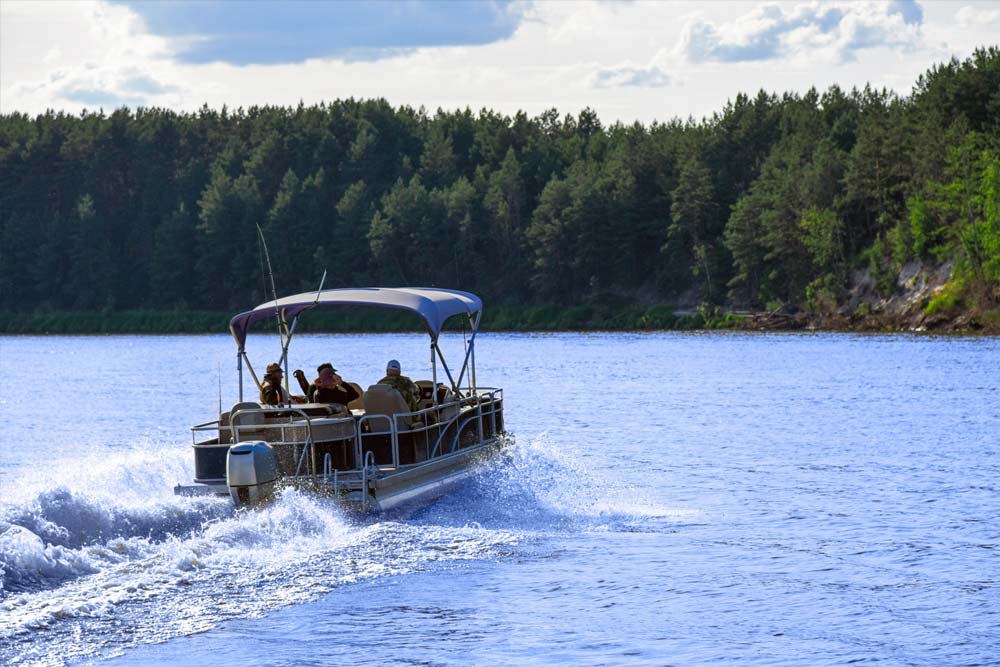



Objective
To create an environment of safe and courteous use of the river that will ensure maximum enjoyment of the river for all, boaters and non-boaters. All persons using the river are asked to be respectful of the rights of others and adhere to common sense rules of courtesy when on or near the river.

Safety First...
Boating is a beloved pastime, but it requires a commitment to safety to ensure a fun and secure experience for everyone on board. A core element of this is always wearing a properly fitted, U.S. Coast Guard-approved life jacket. Drowning is the leading cause of boating fatalities, and a large majority of victims were not wearing a life jacket. In addition to personal flotation devices, boaters must be prepared with essential safety equipment, including a first-aid kit, fire extinguisher, and sound-producing devices. Responsible boaters also understand the importance of never operating a vessel under the influence of alcohol or drugs, as intoxication impairs judgment and coordination, and is a significant factor in boating accidents. Before departing, it's crucial to check the marine weather forecast, file a float plan with a trusted person, and ensure the boat is not overloaded. By following these simple but vital precautions, boaters can mitigate risks and enjoy their time on the water with confidence.